
Cycling in Moldova
Cycling in Moldova
Moldova offers a lot of variety for cycling in a small country: rolling hills, vineyards, country roads, quiet villages, historic sites, and a local cuisine built around home-cooked food and regional wine. Independent travellers who appreciate diversity will find plenty to explore, while the country is also a great destination for bike and wine tourism.
However, cycling in Moldova requires more planning than in Western Europe. Dedicated cycling infrastructure is limited, road surfaces can change from one route to another, and distances on a map tell you little about how demanding a day on the bike will be. This guide explains what to expect, which bike to choose, when to visit, and how to prepare for your trip
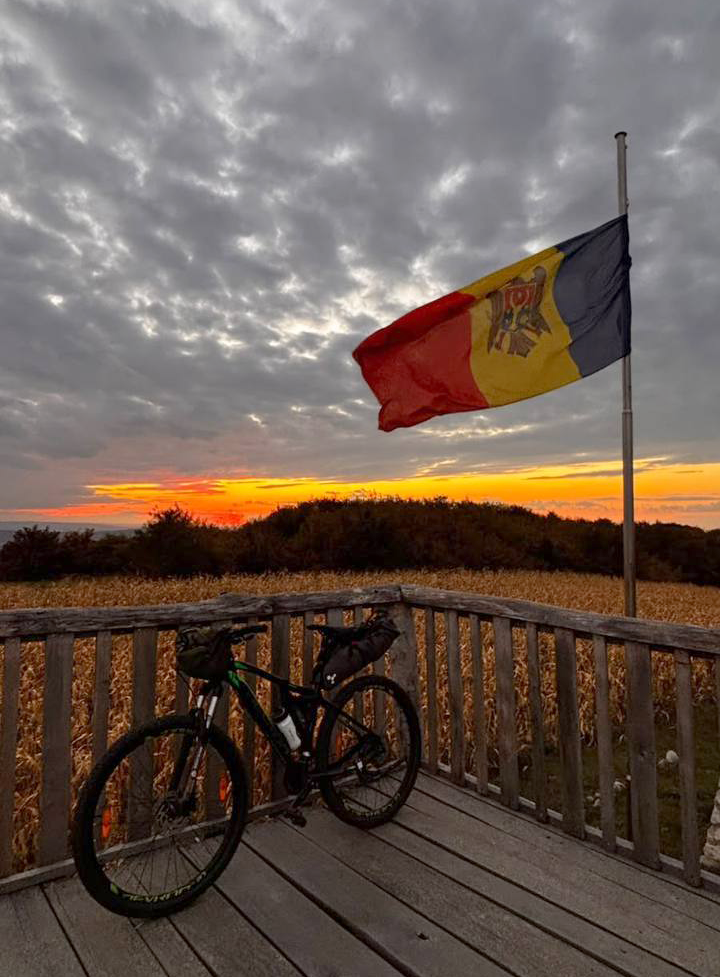
Why cycle in Moldova?
Moldova appeals to cyclists who appreciate variety and are comfortable with a degree of unpredictability. Here’s what that means in practice.
Hills, not mountains
Rolling hills, river valleys and plateaus. Long climbs are rare, but they are frequent, so a day that looks easy on paper can include plenty of steep slopes.
Vineyards and fields
Routes pass through cultivated farmland. Expect tractors, rural roads and landscapes that change with the seasons.
Village life and food
Small shops, home-cooked meals and family-run guesthouses are more common than large restaurants. Plan your stops for food and water in advance.
History within easy reach
Monasteries, wineries and small museums are often close enough to combine with a day of cycling.
Moldova does not have a nationwide network of signed cycling routes or dedicated bike lanes, and bicycle shops are few and far between. Independent cycling works well with offline maps, spare parts and realistic expectations.
Roads, terrain and infrastructure
A section most visitors should read before making any reservations.
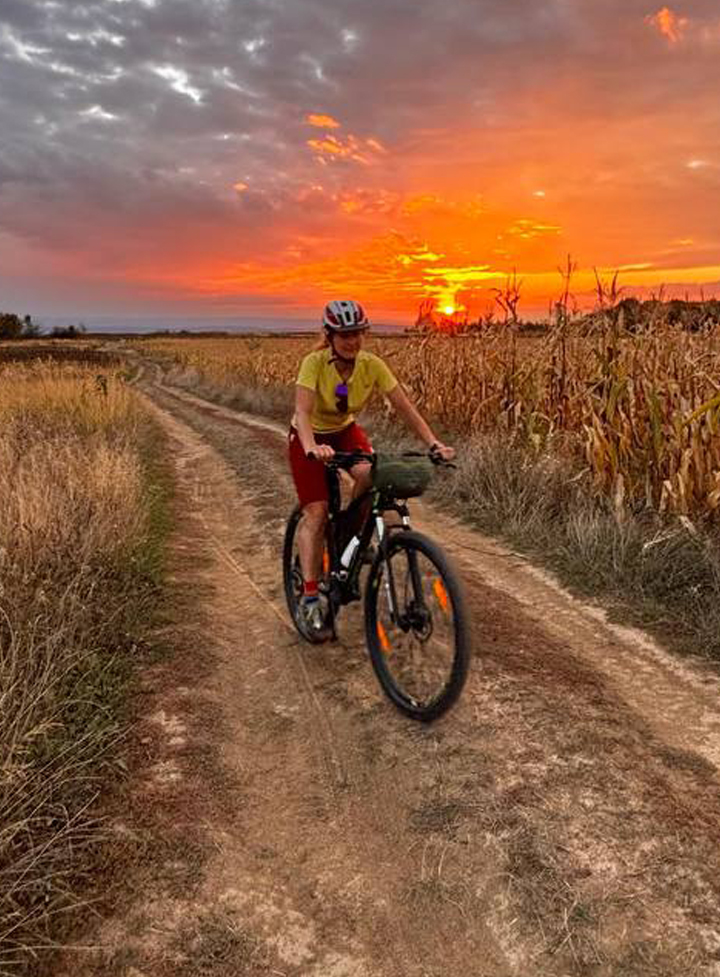
What to expect
- Limited infrastructure Bike lanes and dedicated cycling paths exist in certain areas of Chișinău and some towns. Elsewhere, you share the road with cars, trucks and agricultural machinery.
- Varied surfaces. Asphalt, gravel, compacted dirt roads and occasionally difficult, unpaved sections can all feature on the same day.
- Weather matters. Rain can turn dirt roads into mud, making them difficult or impossible to ride.
- Repeated climbs Short distances can still be physically demanding.
- Variable road conditions. Road surfaces, shoulders and traffic vary depending on the route and season.
Distance alone doesn't tell the whole story
60 km on smooth, flat asphalt is a very different day from 60 km with climbs, headwinds, gravel and stops for photos. Take into account:
- Surface type and total elevation gain
- Temperature and wind
- Luggage weight
- Stops for food, water and photos
- Available daylight
If you're unsure, plan shorter stages than you would at home and allow some extra time.
Route planning tips
- Choose routes based on your bike and experience, not just the scenery.
- Check recent weather and surface conditions, especially on unpaved sections.
- Download offline maps and your GPX route before setting off.
- Plan food and water stops: village shops can be scarce and have limited opening hours. Water is easier to find, as Moldova has many natural springs and wells.
- Have a shorter alternative route or a place where you can arrange pickup.
VeloMania is based in Chișinău and can help you match your route to your bike, fitness level and schedule.
Get help planning your routeBorder areas When travelling near the border, a permit may be required for certain routes. It is free and can be obtained online. Check in advance whether your route passes through a border zone.
Which bike should you choose?
No single bike is suitable for every route. The right choice depends on the terrain, your luggage and how you prefer to ride.
Mountain bike (MTB)
Best forMixed and rough rural terrain, dirt roads, loose gravel and muddy sections.
AdvantagesVersatile and stable, with lower gears and wider tyres.
LimitationsSlower on long stretches of paved road.
Riders and luggageMost visitors who value flexibility. Works well with a rear rack or frame bags.
Gravel bike
Best forAsphalt and gravel roads that are generally firm and well maintained.
AdvantagesEfficient, lighter and well suited to longer distances.
LimitationsLess capable on rough or muddy sections.
Riders and luggageExperienced cyclists. Bikepacking bags are suitable if you keep your load light.
Trekking bike
Best forMainly paved roads and good gravel surfaces.
AdvantagesDesigned for comfort, luggage and long days in the saddle.
LimitationsNarrower tyres and greater weight make it less suitable for rough terrain.
Riders and luggageCyclists travelling with panniers on multi-day tours.
Electric mountain bike
Best forMixed terrain and rough rural roads.
AdvantagesLess effort on climbs and in hot weather, making group rides more accessible to people with different fitness levels.
LimitationsLimited range depending on the battery, additional weight and the need to plan charging stops.
Riders and luggageBattery range decreases with additional luggage, so plan each day's distance according to the expected energy consumption.
What matters more than the type of bike
- Low gears for climbing:especially when carrying luggage.
- Reliable brakes for descents on gravel or wet surfaces.
- Suitable tyres: wider tyres with puncture protection.
- Proper bike fit for long days on hilly roads.
Notes for electric bike riders
Range depends on elevation gain, rider and luggage weight, assistance level, temperature and wind. Plan each day around known charging points, such as your accommodation, and bring your charger on multi-day trips. Do not assume you can recharge at every stop.
The best time for cycling in Moldova
Conditions depend on recent rainfall, temperature, daylight hours and surface type, not just the month. Use this table as a guide, not a guarantee.
| Period | What to expect |
|---|---|
| March | Early-season conditions can be unpredictable: cold, changeable weather and soft ground. |
| April–May | Green landscapes and often favourable cycling conditions. Spring rain can affect unpaved roads. |
| June | Long days, ideal for longer rides. Temperatures begin to rise. |
| July–August | High temperatures are possible. Start early, seek shade, drink frequently and avoid prolonged riding at midday. |
| September | A good time to explore villages and rolling hills, depending on the weather. |
| October | Autumn landscapes, but shorter days and changeable weather. |
| November–February | Cold weather and limited daylight. Check carefully whether your planned route is suitable. |
Many cyclists consider May, June, September and early October. These are potential windows, not guarantees of good weather. Before every ride, check the forecast, sunrise and sunset times, and recent rainfall.
Culture, hospitality and cuisine
- Villages and fields: cultivated landscapes, churches and small shops rather than developed tourist infrastructure.
- Markets: seasonal fruit, vegetables, cheese and bread.
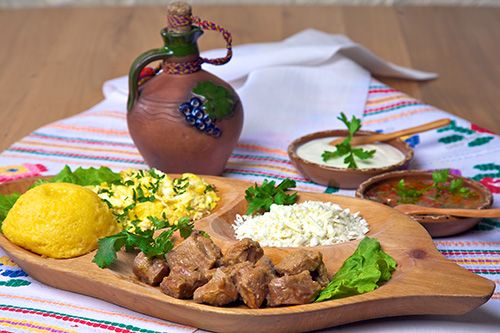
- Traditional dishes: polenta (mămăligă), pies, soups and homemade preserves.
- Wine: winery visits can often be arranged in advance. Plan tastings after your ride or arrange transport.
- Guesthouses: a way to experience local life, often with home-cooked meals.
- Springs and wells: Moldova has many natural springs and wells, often located close to roads. Locals use some as drinking-water sources, but water quality is not guaranteed everywhere. Ask locals whether the water is safe to drink.
In smaller villages, shops and cafés may have limited opening hours or close early, so buy snacks and plan lunch in advance. Water is rarely a problem thanks to the many springs and wells. VeloMania can plan routes around food stops, guesthouses and cultural attractions, depending on availability and arrangements made in advance.
Monasteries: from famous landmarks to hidden retreats
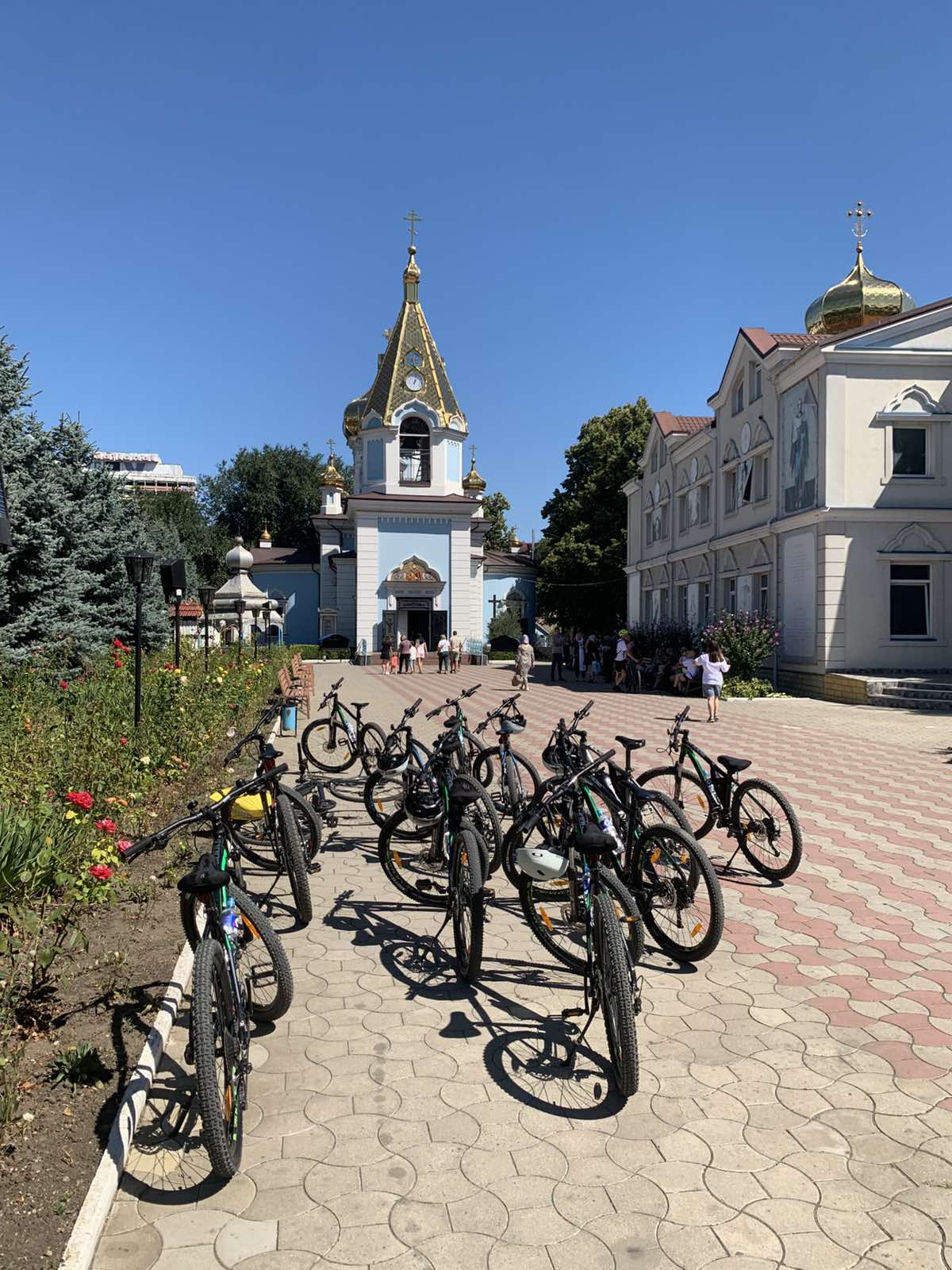
Moldova has many monasteries, from well-known landmarks to secluded retreats hidden among hills, forests and villages. Many are close enough to one another to combine on a day's cycling route, adding a cultural dimension to your journey.
Monasteries have a long tradition of welcoming travellers. Visitors are often offered a simple meal without charge and, when circumstances allow, sometimes a place to stay overnight. This is hospitality, not a guaranteed service: it depends on the monastery and availability. Ask respectfully, follow local rules and consider leaving a donation.
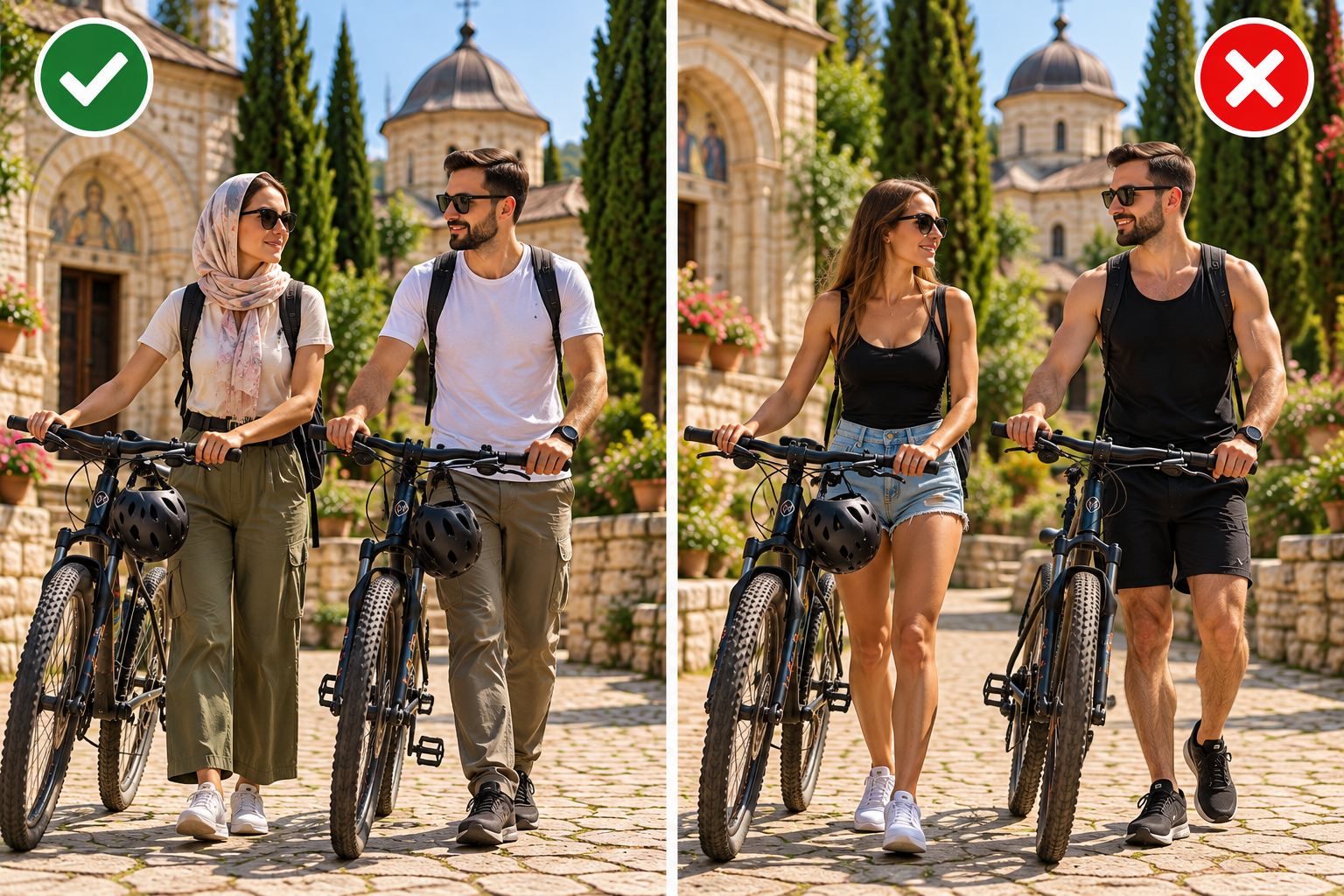
How to dress when visiting a monastery
- Man: Long trousers are preferred over shorts. If needed, trousers may sometimes be available at the entrance.
- Women: A headscarf is usually required. Scarves are often available at the entrance.
- Respect the site's quiet atmosphere and rules, including those regarding photography.
Help from local people
In Moldova, you can ask local people for help without hesitation, especially in villages and small towns. People are often happy to help.
What you can ask
- Directions and road conditions
- Where to find a spring, well or shop
- Where to buy food or find accommodation
- A quick favour or a helping hand with a simple problem
How to communicate
A few words in Romanian or Russian can make a big difference, and a translation app can be very useful. In cities, younger people often speak English, so communication may be easier. A greeting and a polite request go a long way.
Common courtesy
Be polite, greet people and respect local traditions and customs. A smile, a friendly greeting and a simple “thank you” are always welcome.
Camping and accommodation
Wild camping in Moldova is straightforward if you plan carefully. Here’s how to do it responsibly.
Where you can camp
- In practice, you can pitch a tent near a spring or river, except on private land, in protected natural areas or where camping is prohibited.
- On private land, ask the owner's permission.
- Designated campsites are available, but they are relatively uncommon.
- Follow local signs and leave the area clean.
Plan your overnight stop
- Water: Springs and wells are common; refill your supplies and ask locals how often the water is checked.
- Food: Buy supplies before leaving the last larger village.
- Bike security: Choose a secure place to store your bike, such as a guesthouse courtyard.
- Weather: Bring rain gear and warm layers, even in summer.
Guesthouses
Guesthouses and rural accommodation make cycling trips easier, offering home-cooked meals and a place to store your bike. VeloMania can recommend trusted places to stay and help plan multi-day routes around available accommodation, with lodging options discussed in advance.
Safety and what to bring
Most problems can be prevented. Use this checklist as a practical guide, not a reason to worry.
Equipment checklist
- Helmet and clothing for sun, wind and rain
- Front and rear lights
- Charged phone and power bank
- Offline maps and a downloaded GPX route
- Water and food
- Sunscreen and insect repellent
- First-aid kit
- Tyre levers, spare inner tube or tubeless repair kit, pump and multi-tool
- Travel insurance that covers cycling
- ID and emergency contact details
Before you set off
- Check the weather, daylight hours and route conditions.
- Tell someone your route and expected return time.
- Avoid unfamiliar rural roads after dark.
- For water from springs and wells, ask locals whether it is safe to drink. In remote areas, carry a filter or purification tablets.
Traffic and weather
- Purtați haine strălucitoare și folosiți luminile.
- Narrow roads with poor shoulders are common. Ride defensively and expect traffic.
- Reduce speed on loose gravel and descents. Allow extra braking distance.
- In hot weather, start early, drink regularly and rest in the shade during the hottest part of the day.
Dogs
Free-roaming or farm dogs may be encountered in villages and rural areas. Most encounters pass without incident.
- Avoid sudden acceleration or aggressive movements.
- Slow down and stay in control.
- Dismount if necessary and place the bike between yourself and the dog.
- Walk away calmly when safe; do not approach unfamiliar dogs or try to feed them.
- Do not approach, feed or pet unfamiliar dogs.
If you are bitten or scratched: wash the wound thoroughly with soap and running water and seek urgent medical advice about rabies prevention, even if the wound seems minor.
Bees, wasps and ticks
Bees and wasps avoid disturbing nests, keep sweet food covered and stay calm if insects approach. If you develop breathing difficulties, facial or throat swelling, or a severe allergic reaction, call 112.
Ticks: Use repellent, wear suitable clothing and check your body after riding through tall grass or woodland. Remove attached ticks promptly with fine-tipped tweezers. Seek medical advice if a rash, fever or other symptoms develop.
Routes and regions
Explore a variety of regions and locations across Moldova. Ask us for up-to-date details on surfaces, distances and access for your chosen route.
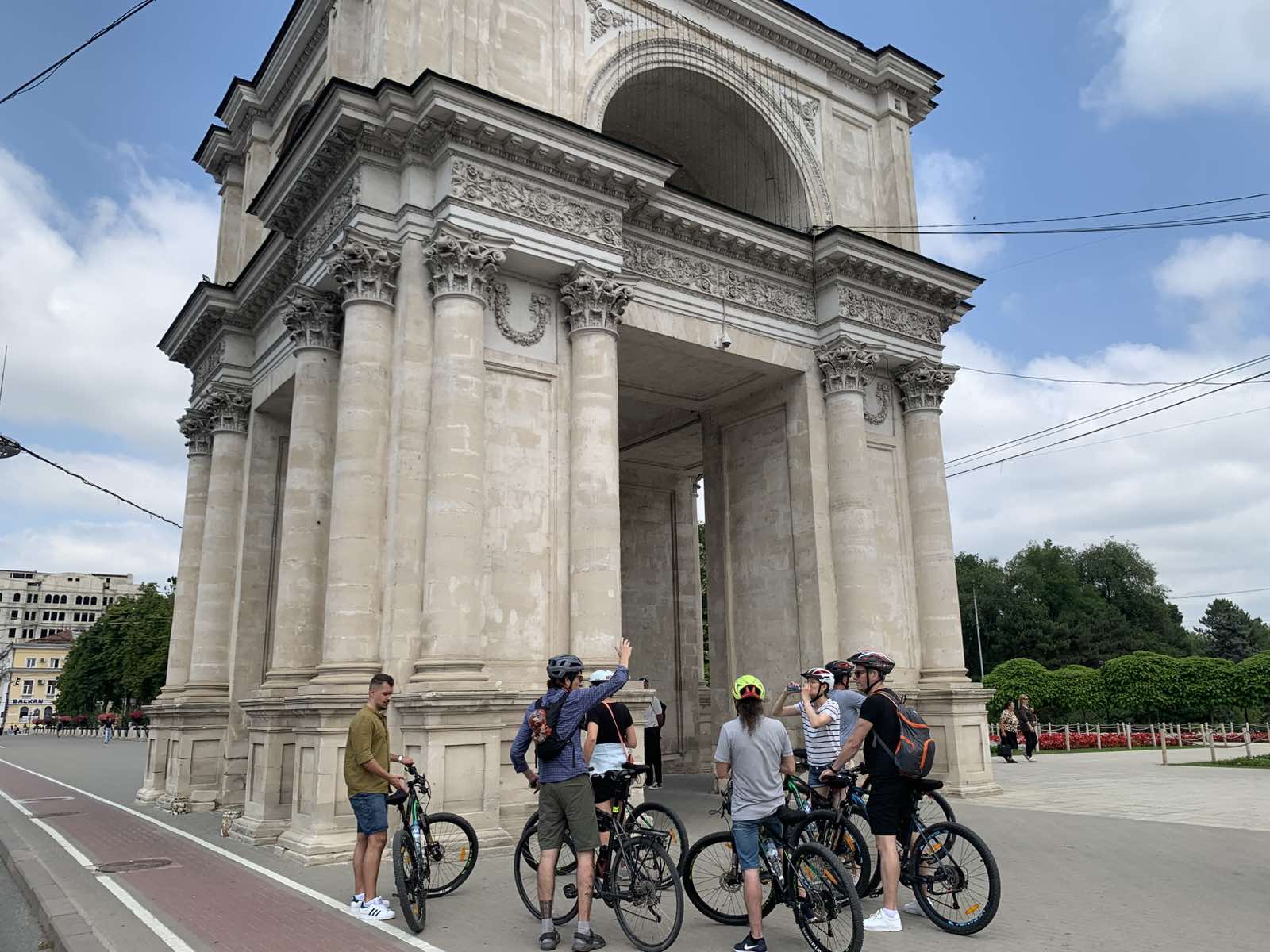
Chișinău and surroundings
Urban cycling and park rides, with villages and wineries just outside the city. Routes vary depending on the chosen area. A good option for a half-day or full-day ride.
Bike Tour Chișinău
Old Orhei and the Răut Valley
Rolling hills, a historic monastic complex carved into the cliffs, and scenic rural landscapes. Expect gravel roads and varied terrain. Ideal for a full-day ride or a route with a transfer.
Old Orhei Bike Tour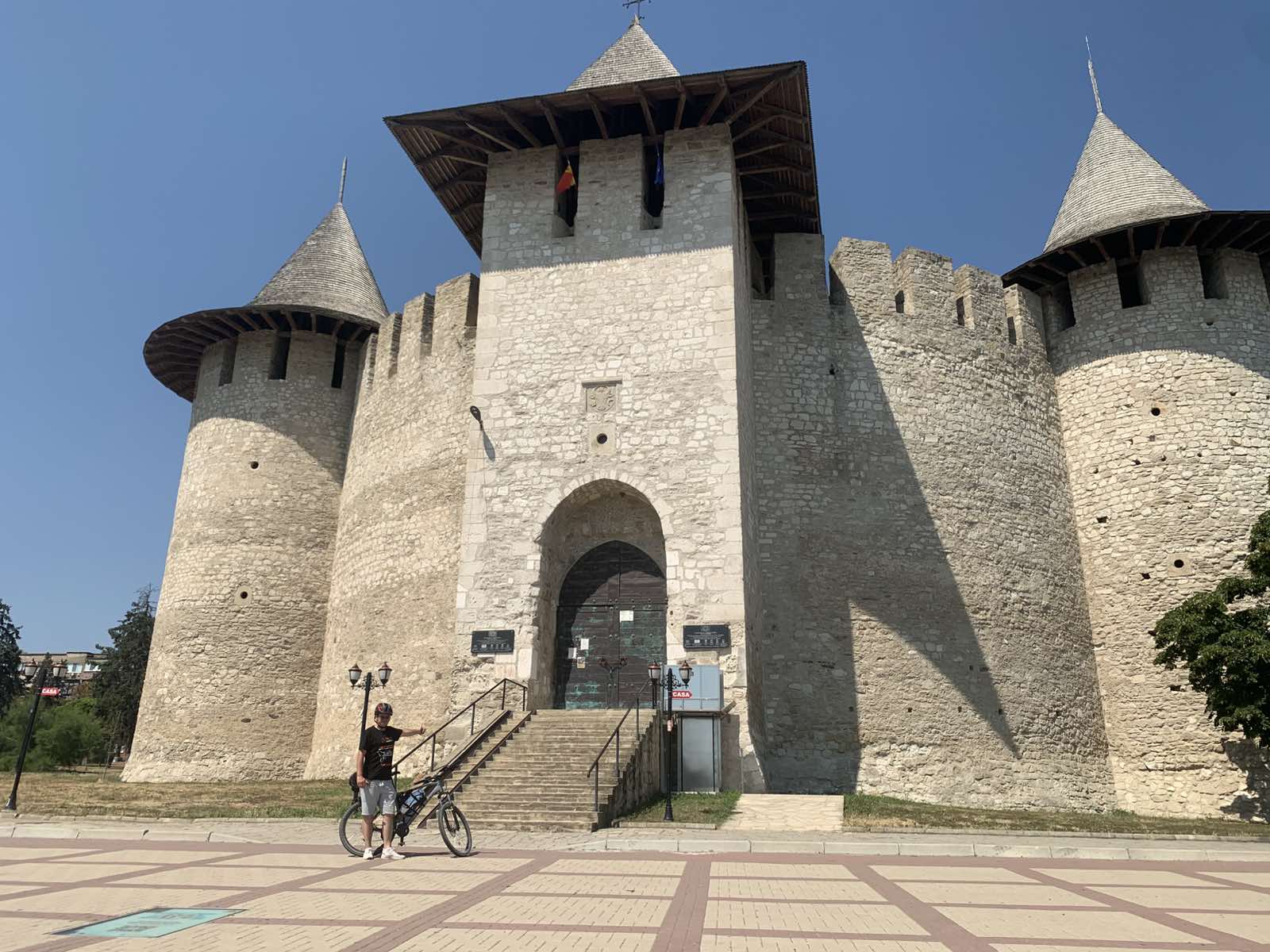
Soroca – the capital of the Roma community
Discover the Roma community's cultural heritage in Soroca, known for its impressive houses, distinctive architecture and colourful palaces reflecting the history and traditions of Roma communities in Moldova.
Ask about this area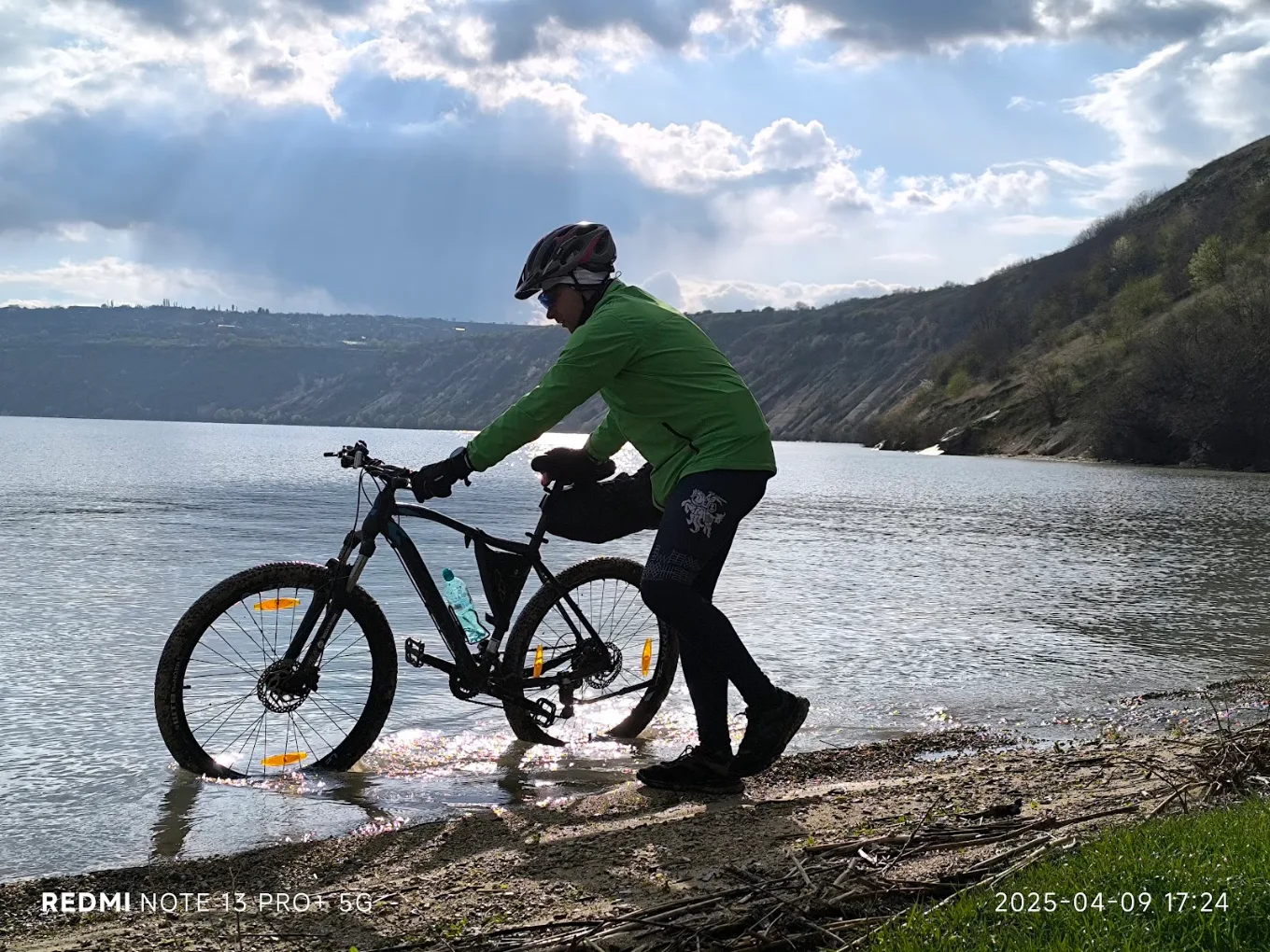
Central Moldova and the hills
Rural landscapes, vineyards, rolling hills and a mix of paved and unpaved roads. Suitable for multi-day independent rides, especially if you want to explore the wine regions.
Independent travel optionsMoldova: an ideal destination for bike & wine
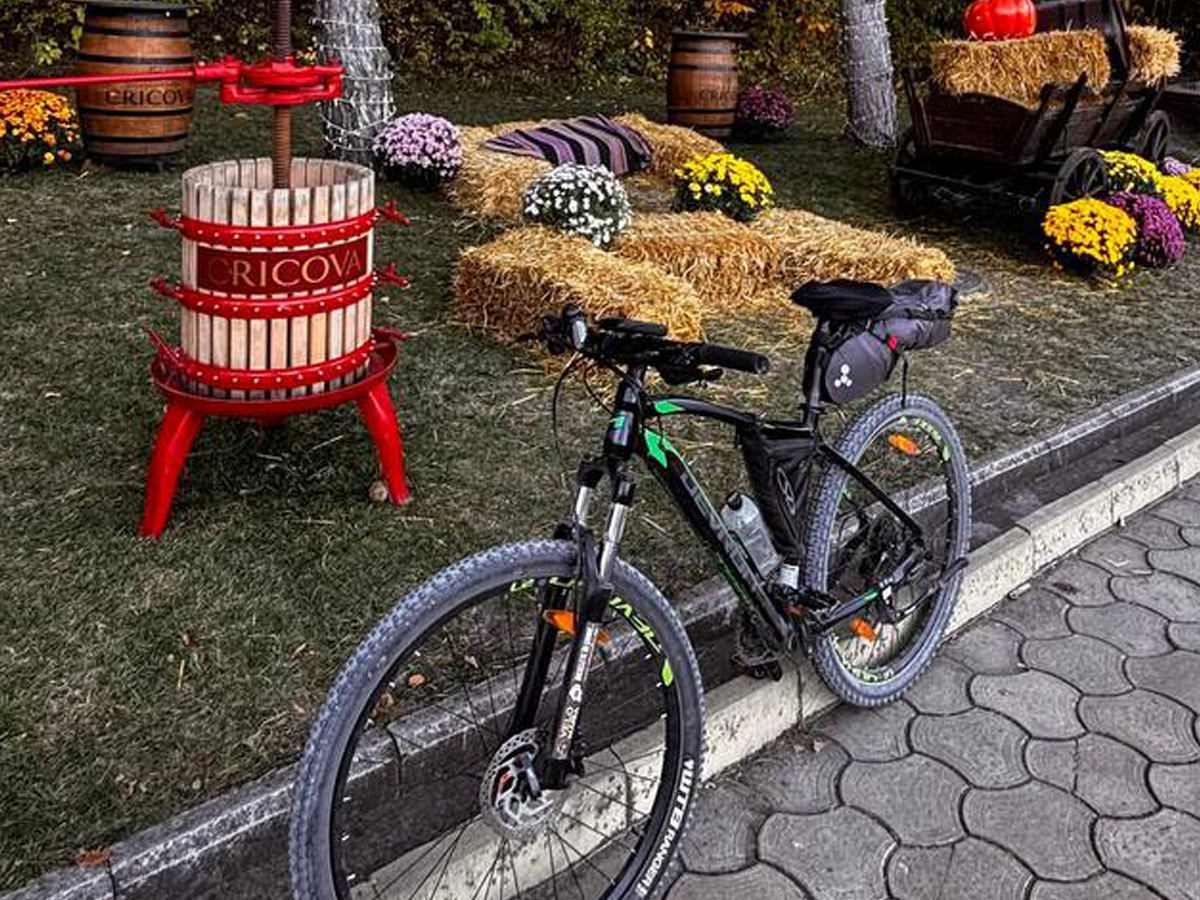
Wine is at the heart of Moldovan culture, and rolling hills and vineyards are part of everyday life in a country where distances are short and the terrain is gentle. This makes Moldova a great destination for bike & wine tourism: cycle through vineyards, stop at wineries, enjoy local food and spend the night in a rural guesthouse.
- Short and medium routes through vineyards, villages and wineries.
- Wine tastings planned for the end of the day or with organised transfers.
- Combine cycling with monasteries, local cuisine and rural accommodation.
Wine and cycling don't mix. Plan tastings after your ride or arrange transport so you don't have to cycle after drinking.
How VeloMania can help you plan your trip
Practical help from people who know these roads.
Route planning
Routes tailored to your experience, the terrain and your schedule, with GPX files and practical instructions.
Bikes and preparation
Bike rental with basic setup and advice on choosing between an MTB, gravel bike or e-bike.
Transfers
Bike transfers to selected starting points, arranged in advance.
Multi-day planning
Daily stages, stops and accommodation logistics for longer cycling trips.
Local recommendations
Food stops, guesthouses and optional guided experiences.
Emergency planning
Emergency contacts and evacuation options can be discussed and agreed upon in advance.
What each type of support includes
- Route planning support: advice, GPX files and instructions.
- Transfers: transport arranged in advance for agreed dates, locations and suitable bikes.
- Emergency arrangements: only what has been agreed in advance with VeloMania.
- Public emergency services: in Moldova, 112Make sure you have appropriate travel insurance.
24/7 assistance, response times and free evacuation should not be assumed unless confirmed for your booking.
Transnistria: entry requirements and what to know
Transnistria is a self-proclaimed breakaway region within the internationally recognised territory of the Republic of Moldova. Many tourists visit without problems, but visitors should be aware of the local situation and entry procedures.
Important: Moldovan authorities do not exercise direct control over the region, and consular assistance may be limited. Read your own government's travel advice and check current rules before planning a route through the region.
How to enter
- Entry is possible from territory controlled by Moldova, via internal checkpoints on the Transnistrian side.
- Carry your foreign passport or other valid travel document.
- Foreign visitors can generally cross at major crossing points, subject to current procedures.
- You may receive a migration card or registration document on entry. Keep it until you leave the region.
- Document checks and questions about the purpose of your visit may take place.
Money and practical matters
- The local currency is the Transnistrian ruble. Exchange money within the region.
- Foreign bank cards may not work, so carry sufficient cash.
- Do not photograph military facilities, checkpoints or security personnel.
- Check whether your travel insurance covers the region and plan your exit route in advance.
The 72-hour registration rule
This rule applies to foreign nationals entering Moldova through the Transnistrian segment of the Moldova–Ukraine border, where Moldovan border control is absent. They must register their entry with the General Inspectorate for Migration within 72 hours, using a document stamped by the Ukrainian border authorities or other proof of entry.
This requirement does not necessarily apply to every visit to Tiraspol or Bender.
The VeloMania Back in USSR — Tiraspol & Bender tour is a separate product. Check the current operating conditions and travel advice before booking.
Recommended VeloMania tours
Full details, prices and availability can be found on each tour page.
(1200 × 750)
(1200 × 750)
Old Orhei Bike Tour
Ride through rolling hills to the cliffs and historic monastery complex of Old Orhei.
View tour(1200 × 750)
Cycling in Moldova: frequently asked questions
Is Moldova suitable for a cycling holiday?
Yes, for cyclists who are comfortable with mixed road surfaces, rolling hills and some advance planning. It is less suitable for those expecting a network of signed cycling routes and dedicated bike lanes. Beginners and families often do better with a guided tour or a carefully chosen route.
What are the roads like for cycling in Moldova?
Road conditions vary. Outside towns, expect shared roads with sections of asphalt, gravel and dirt, depending on the route. Rain can make unpaved roads muddy. Check conditions before setting off.
Which bike is best for Moldova?
It depends on the route. An MTB is the most versatile option for mixed and rough surfaces. A gravel bike can work well on routes verified to be mostly paved or have well-maintained gravel. An e-MTB helps on hills, but you need to plan battery range and charging.
When is the best time for cycling in Moldova?
Many cyclists consider May, June, September and early October, but weather and surface conditions vary. Summer can be very hot, while winter is cold and daylight hours are limited.
Can I rent a bike in Chișinău?
Yes, VeloMania offers bike rentals. Check the rental page for current options and booking details.
Can I bring my own bike?
Yes, many visitors do. Check your airline's bicycle transport rules and make sure your tyres and gearing are suitable for your planned route. Contact us for route advice.
Are there self-guided cycling routes in Moldova?
Yes, independent cycling is possible with offline maps and a GPX route. Contact us to discuss self-guided options suited to your dates and experience.
Is wild camping allowed in Moldova?
In practice, camping may be possible in many areas, but restrictions apply on private land, in protected areas and wherever camping is prohibited. Ask the landowner for permission on private property. Designated campsites exist but are relatively uncommon. Follow local signs and leave no trace.
Is it safe to cycle in rural Moldova?
Cycling in rural Moldova is generally safe. Local people are friendly and welcoming, and if you have the chance, they may even invite you into their homes. Just watch out for stray dogs near villages.
What should I bring on a cycling trip?
Check the equipment checklist above: helmet, lights, repair kit, water, food, first-aid kit, offline maps, a charged phone, power bank, travel insurance and emergency contacts.
Can VeloMania provide GPX routes?
Contact us with your route idea and travel dates, and we’ll let you know which GPX tracks and instructions are available.
Can VeloMania arrange a transfer with bikes?
Transfers to selected starting points can be arranged in advance. Tell us your dates, route and group size when you contact us.
What happens if I have a mechanical problem or an accident?
In an emergency, call 112. For mechanical problems, carry basic repair equipment. Any additional support beyond route advice must be agreed upon in advance, so please ask us before your trip.
Can I include Transnistria in my cycling itinerary?
Yes. Entry is possible from Moldova-controlled territory via internal checkpoints on the Transnistrian side. Carry your passport. Foreign visitors generally cross through major crossing points, and a migration document may be issued on entry; keep it until you leave. The local currency is the Transnistrian ruble, and foreign bank cards may not work. Check your government's travel advice before departure.
Do I need a permit for border areas?
A permit may be required for certain activities near Moldova’s borders. It can be obtained online free of charge. Check in advance whether your planned route passes through a restricted border zone.
Ready to explore Moldova by bike?
Book a guided tour, rent a suitable bike, request GPX routes and route advice, arrange a transfer to your starting point, or discuss a personalised multi-day itinerary.


